
Imagine stepping out into the warm Mediterranean sun and suddenly finding yourself gazing across the vast African savanna. Red dust lies underfoot, the air carries the scent of exotic vegetation, and just a few yards away, giraffes calmly browse from towering treetops.
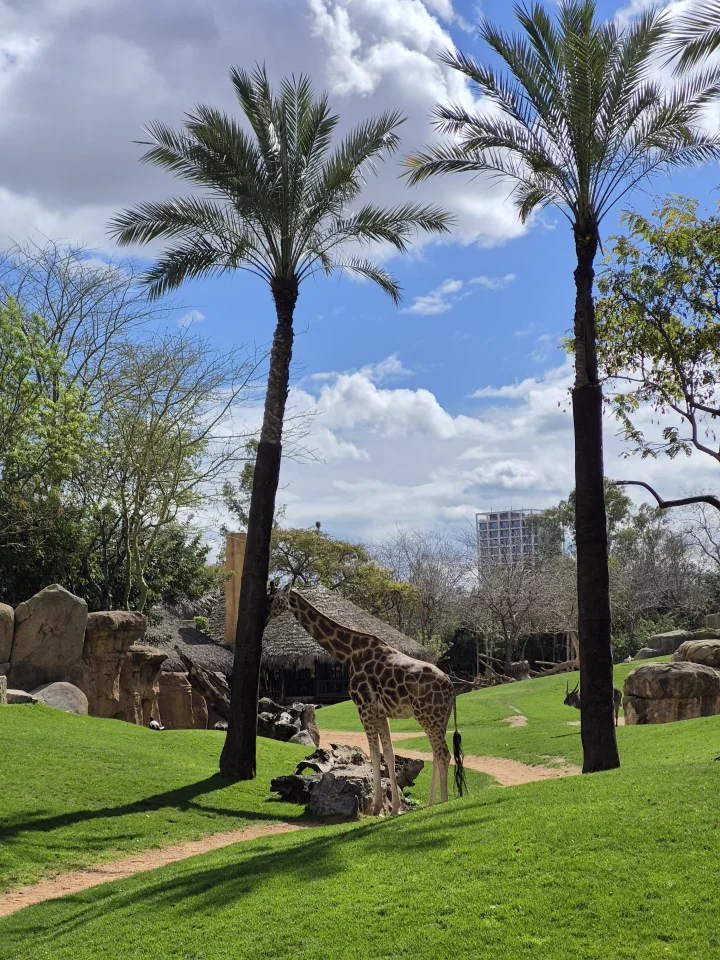
Foto Credit: Tinatin Bakuradze
This isn't a remote African safari—it is Bioparc Valencia, an extraordinary park that has completely redefined how Europe experiences wildlife. If you are visiting Valencia, Bioparc is an absolute must-see. It is a space where nature and modern landscape design blend so seamlessly that within minutes, you forget you are standing in one of Europe’s most vibrant cities.
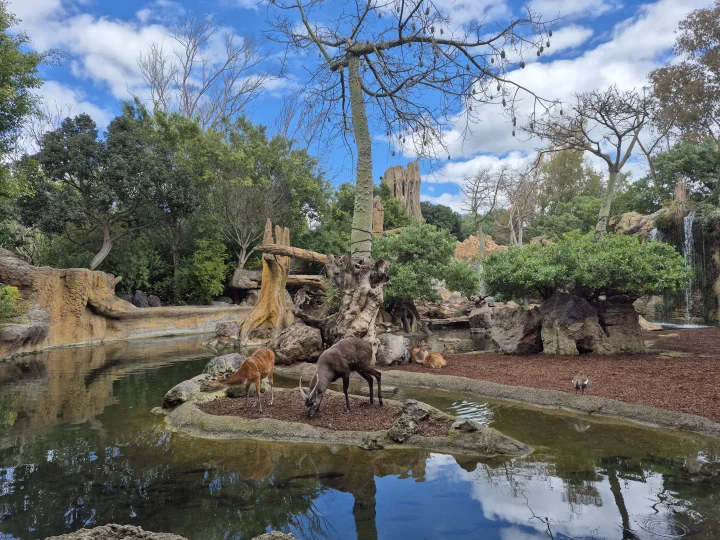
Foto credit: Tinatin Bakuradze
How Bioparc Valencia Came to Be
The story of Bioparc began in 2008. Before its opening, Valencia was home to a traditional zoo in the Jardín del Real. While beloved by locals for decades, the old zoo could no longer meet 21st-century standards for animal welfare and modern conservation. Recognizing the need for change, city authorities and visionary designers made a bold decision: to create an entirely new concept based on "Zoo-immersion."
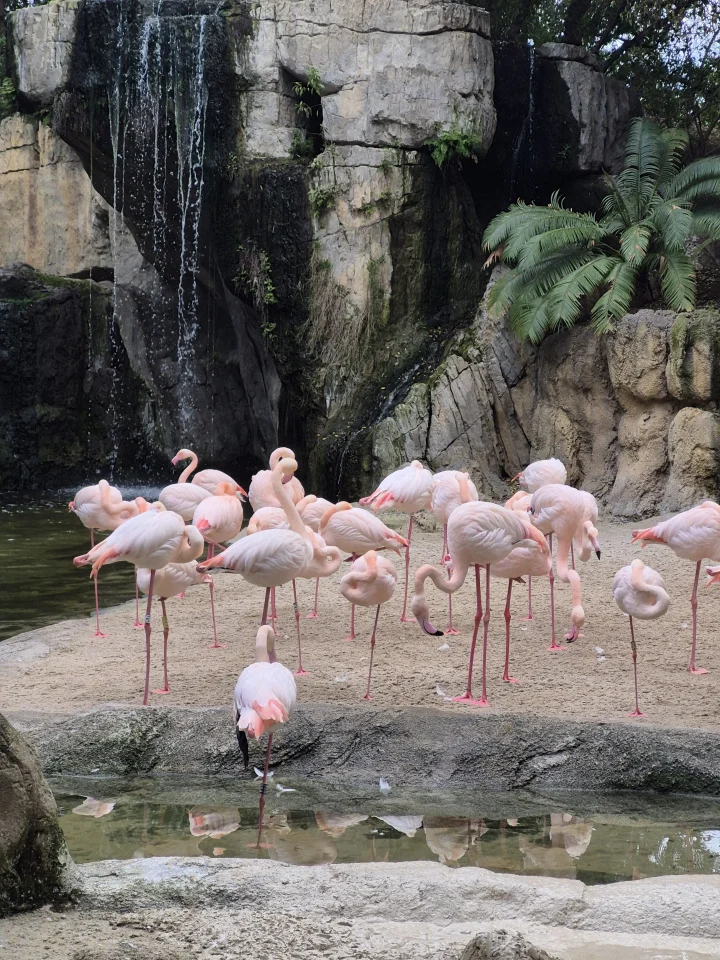
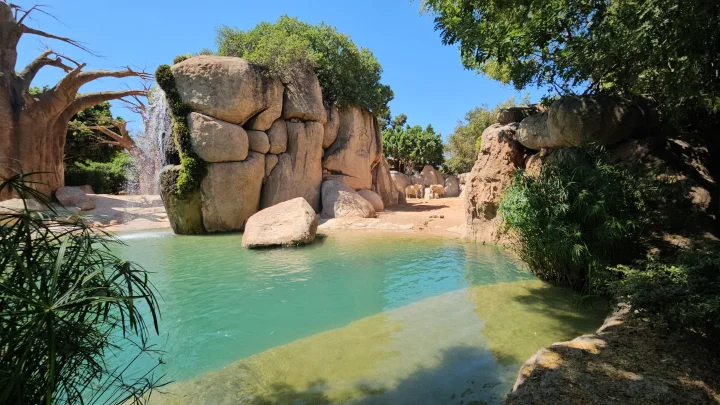
The principle behind "Zoo-immersion" is simple yet revolutionary. Instead of viewing animals through bars or cages, visitors step directly into meticulously recreated natural ecosystems. Architects and biologists replaced concrete barriers and iron fences with invisible, natural boundaries—rivers, rock faces, dense woods, and sunken ravines. The result is a unique, 100,000-square-meter sanctuary where animals feel right at home, and human guests are merely quiet observers in their world.
Meet the Wildlife — Four African Ecosystems
Bioparc is divided into four main habitats, each showcasing the distinct landscapes and rich biodiversity of the African continent:
The African Savanna
The largest and most iconic zone in the park. Here, herbivores like giraffes, zebras, antelopes, and exotic birds live side by side. Just beyond, atop a sun-drenched rocky outcrop, lions keep a watchful eye over the sweeping landscape.
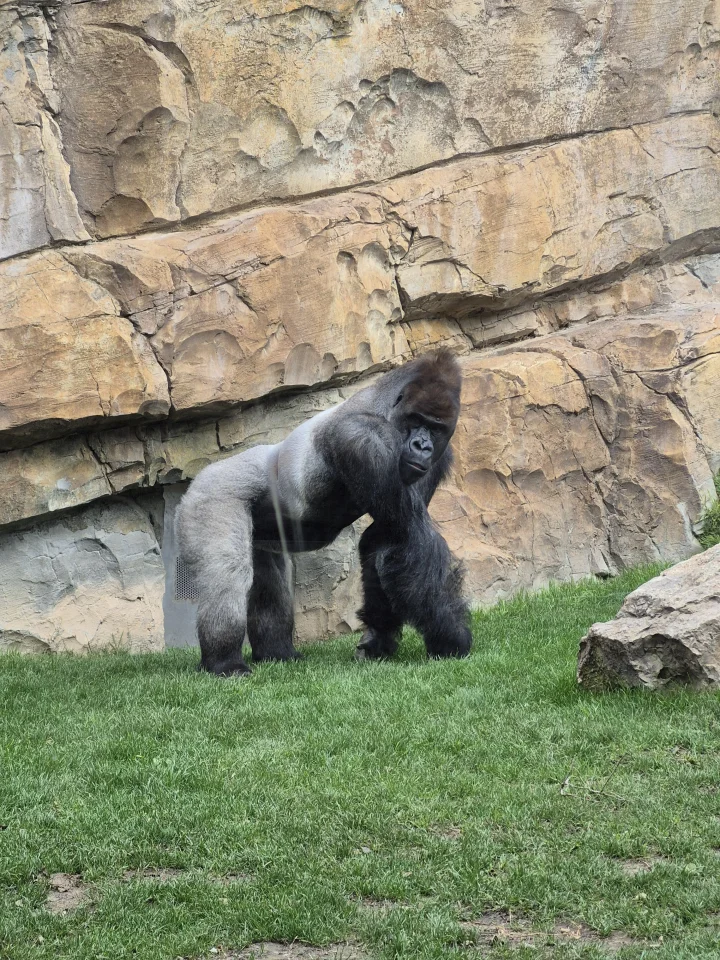
Foto credit: Tinatin Bakuradze
Equatorial African Forests
Lush, humid, and bursting with green, this area is home to primates like gorillas and chimpanzees. Watching the gorilla family interaction is particularly moving—young primates leap across branches while the dominant silverback calmly keeps watch over his domain. Rare bongo antelopes and red river hogs also inhabit this dense jungle setting.
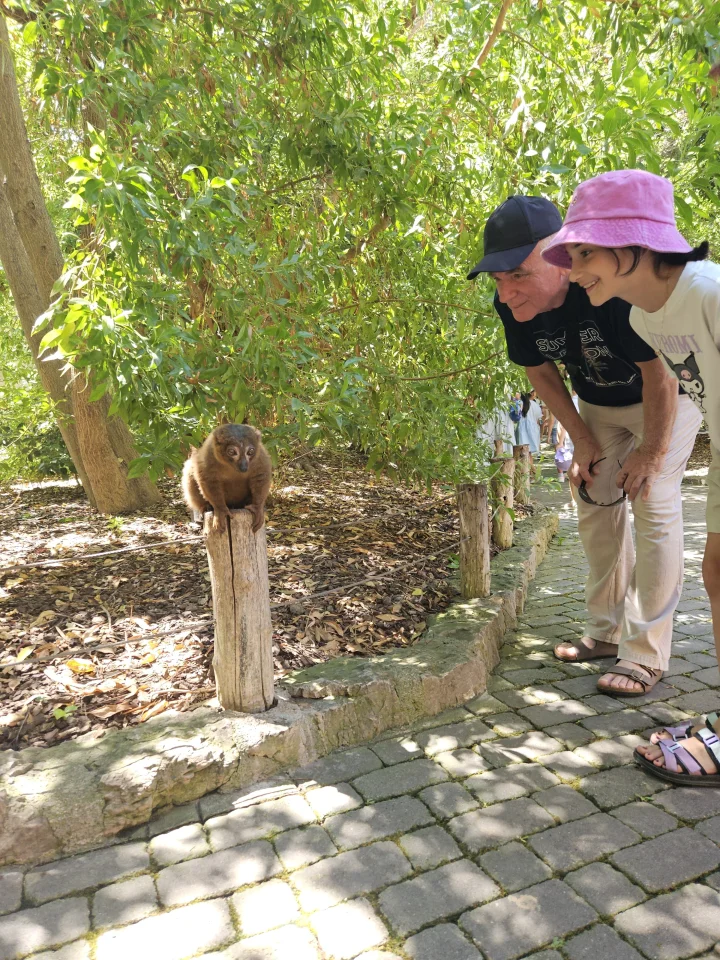
The Island of Madagascar
One of Bioparc's most popular attractions. Visitors can step directly into a habitat where ring-tailed lemurs roam free. They leap through branches, cross path trails alongside you, and often look on with curious eyes. Note: Touching or feeding the lemurs is strictly prohibited, but walking among them offers an unforgettable photo opportunity.
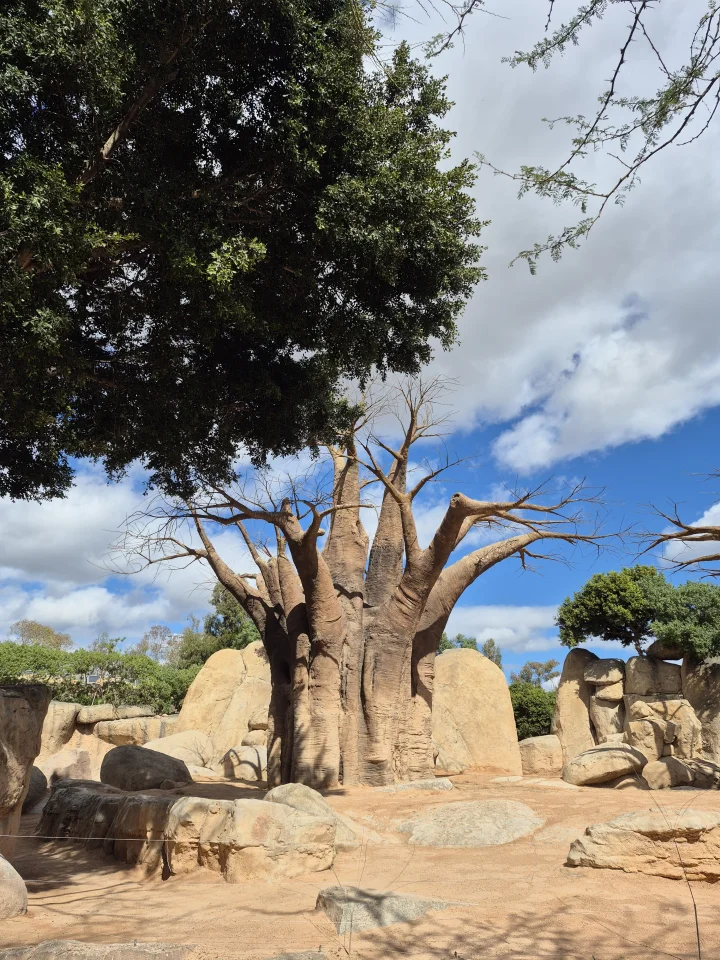
Baobab Valley and Kitum Cave
Kitum Cave is a precise reconstruction of Kenya's famous volcanic cavern. Inside, floor-to-ceiling underwater glass windows allow you to observe hippos and Nile crocodiles gliding effortlessly through crystal-clear waters.
Fascinating Facts About Bioparc
The Secret of the Baobabs: Towering baobab trees line the park landscape. Because real African baobabs cannot survive in the Mediterranean climate, designers crafted hyper-realistic architectural sculptures that are virtually indistinguishable from the real thing.
Eco-Friendly Water Systems: The park utilizes a state-of-the-art natural filtration system. The water where hippos and crocodiles swim is constantly recycled and ecologically purified.
A Hub for European Conservation: Bioparc actively participates in the European Endangered Species Programme (EEP). Successful births of gorillas, elephants, and lemurs at the park stand as a testament to its high standards of animal care and conservation.
Park Amenities & Visitor Services
Bioparc is built to ensure a smooth, comfortable day out for visitors of all ages:
Dining with a View: Several cafes and dining options are available. The main restaurant, Samburu, offers panoramic views of the savanna, letting you enjoy lunch while watching giraffes and zebras roam nearby.
Educational Shows: Daily live presentations feature birds of prey and mammals, where expert guides share fascinating insights into animal behavior and conservation.
Souvenir Shop: Near the exit, an African-themed shop features handmade crafts, toys, and memorable gifts.
Full Accessibility: The entire park is fully barrier-free and accessible for wheelchair users and families with strollers.
Ticket Prices & Discounts
General Admission (Ages 13–64): €27.90
Children (Ages 4–12): €21.00 (Free entry for children under 3)
Seniors (Ages 65+): €21.00
Visitors with Disabilities: €21.00
Large Families: 15% discount on standard rates (valid ID or documentation required)
Annual Pass (Pase B!): €50.00 – €65.00 (provides unlimited access for a full year)
Tips for Your Visit
Set aside at least 3 to 4 hours to fully enjoy Bioparc. The best time to visit is early morning right when the gates open at 10:00 AM, when the animals are most active and feeding sessions take place. During hot summer days, bring sun protection and a hat—though you'll find plenty of shaded walkways and rest spots throughout the park.
Bioparc Valencia is more than just a day out—it is an immersive, educational experience that reconnects you with the natural world long after your visit ends.
— Discover Your Spain.


